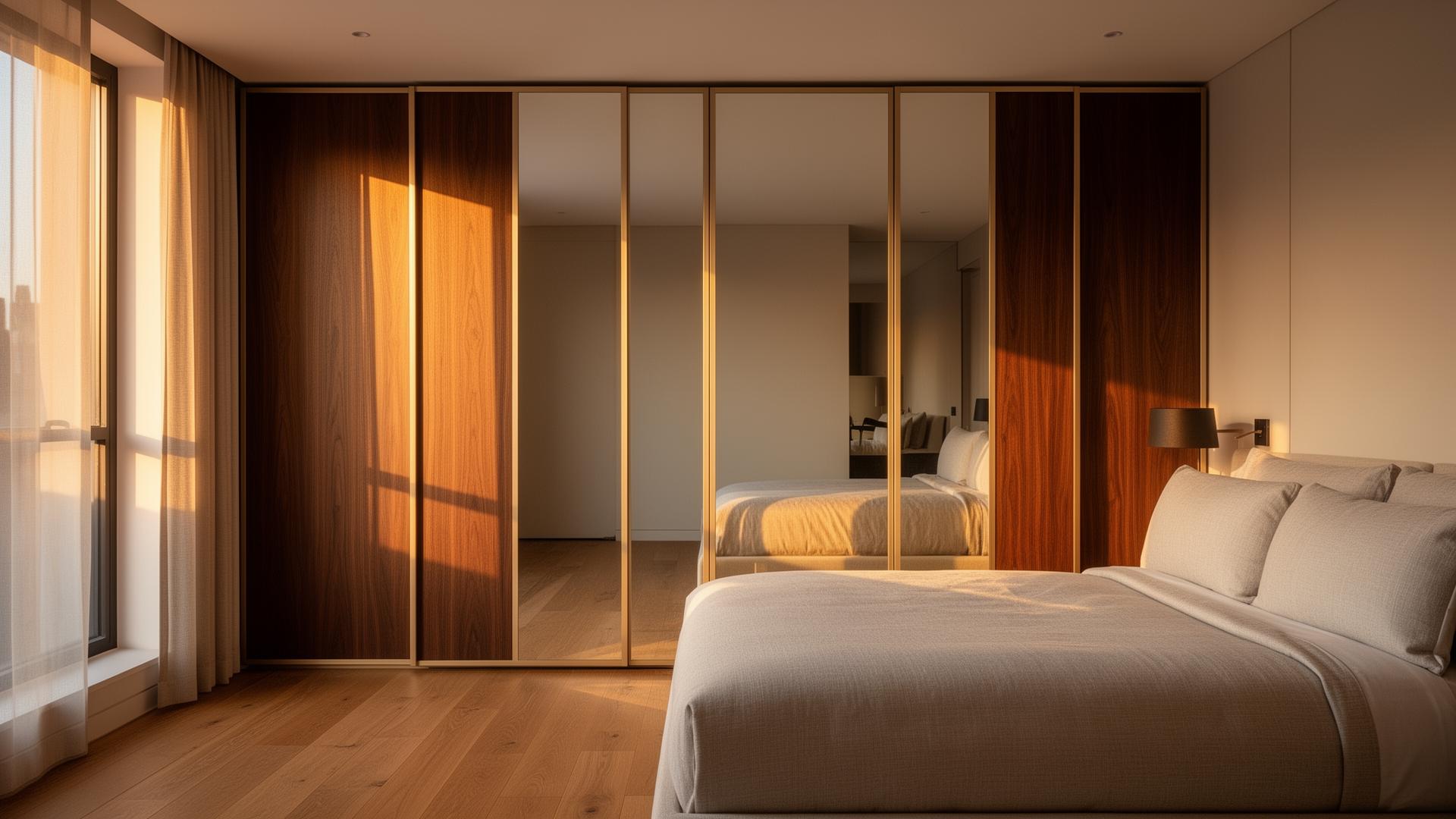
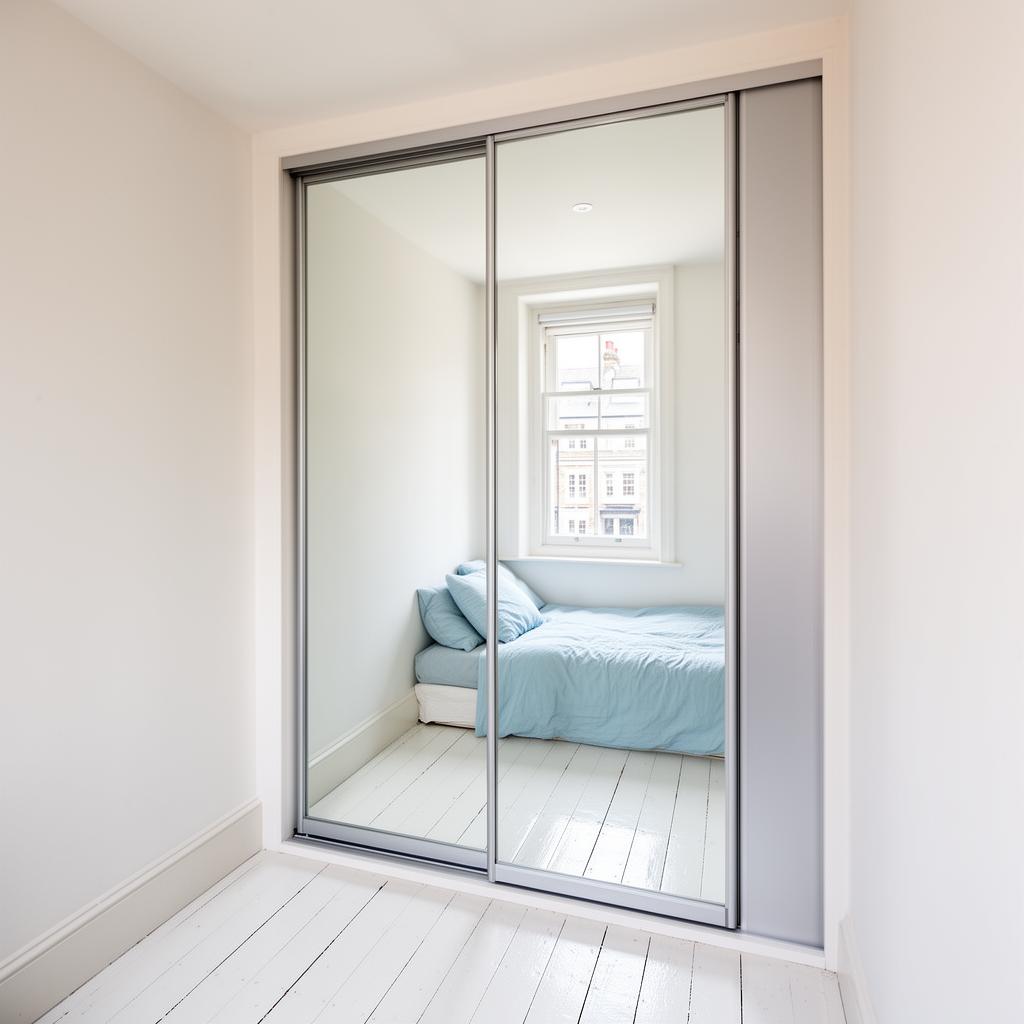
Mirrored sliding doors are not the right answer for every bedroom — but in the right room they are very hard to beat. The first question is usually about space. If the wardrobe wall sits opposite a window or a doorway, mirror will pull light deeper into the room and the doors will read as airy rather than imposing. If the wall faces something visually busy, a softer mirror tone or a mixed-panel layout is often the better call.
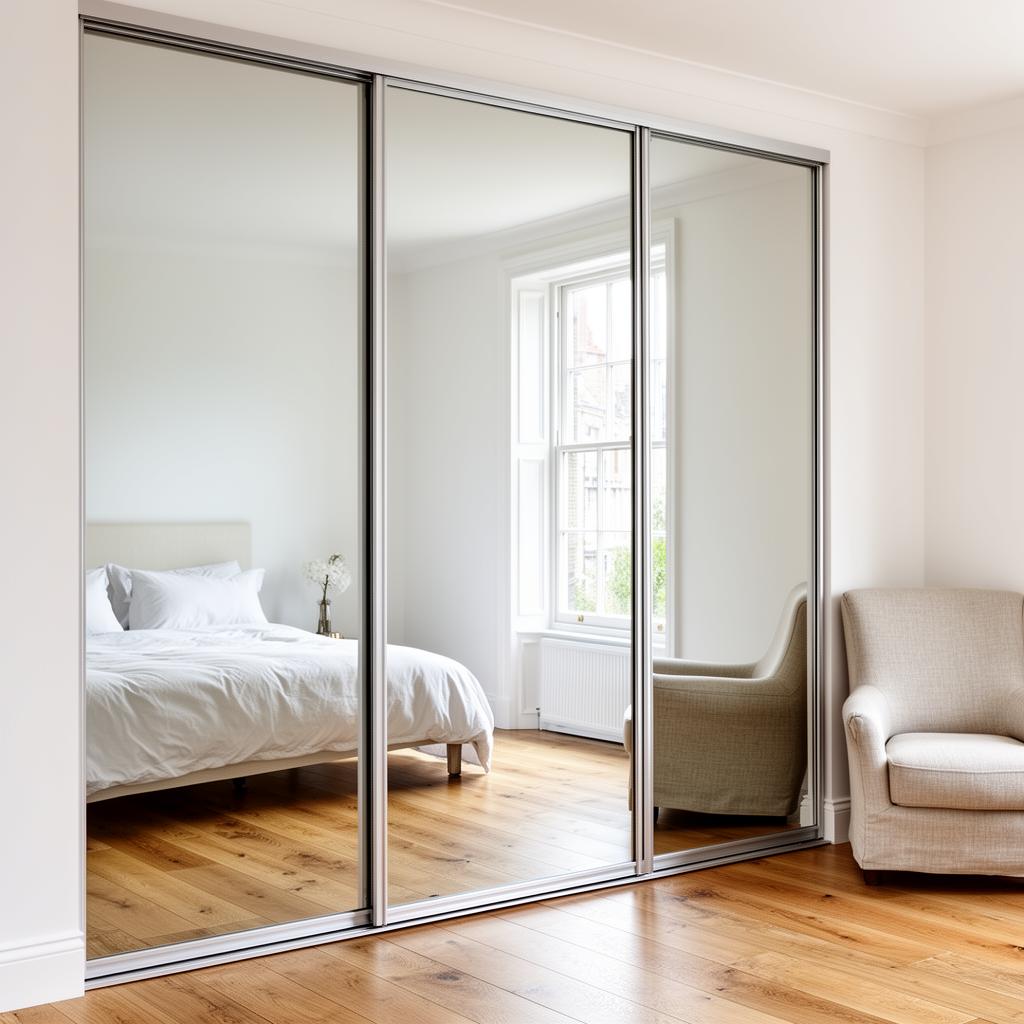
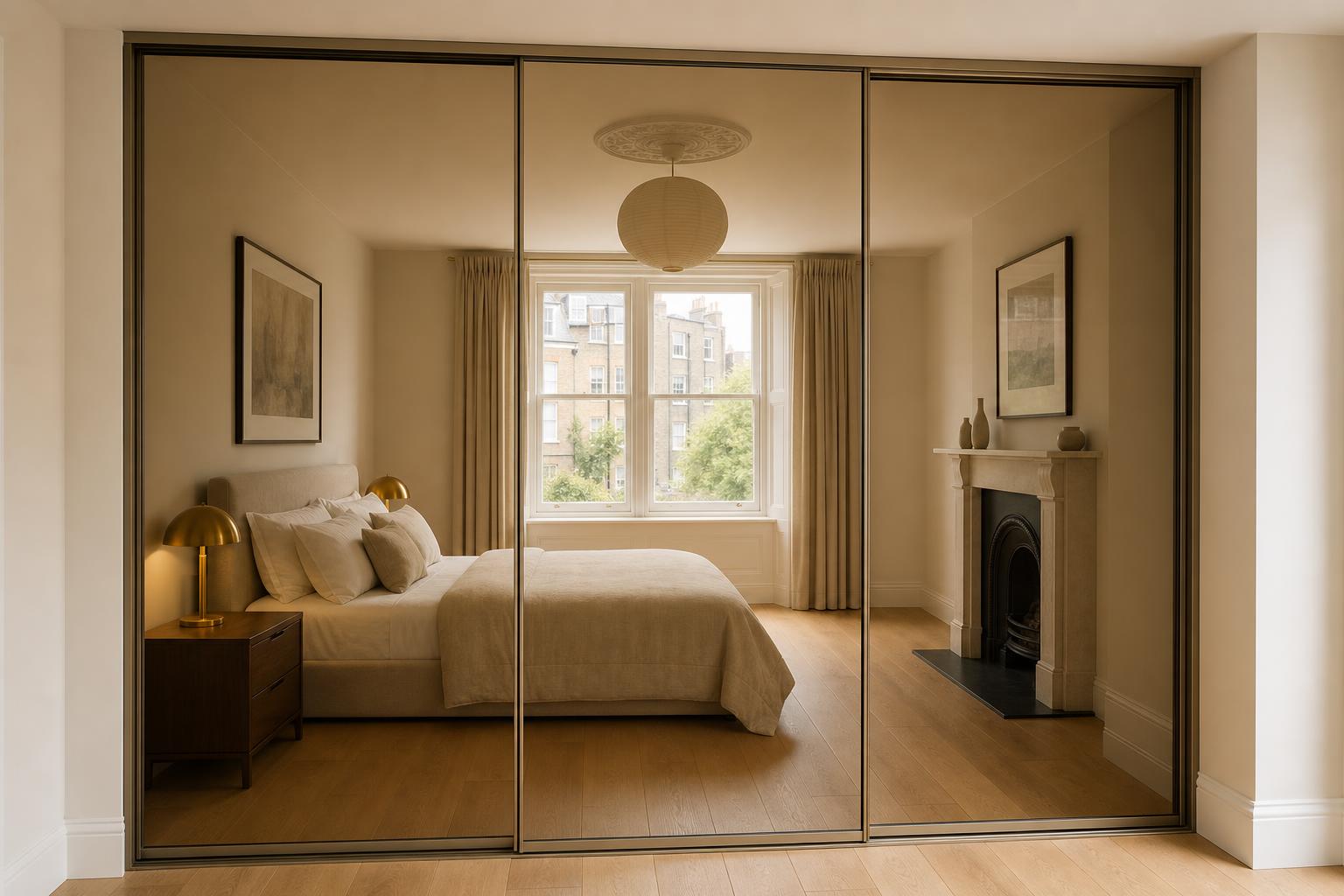
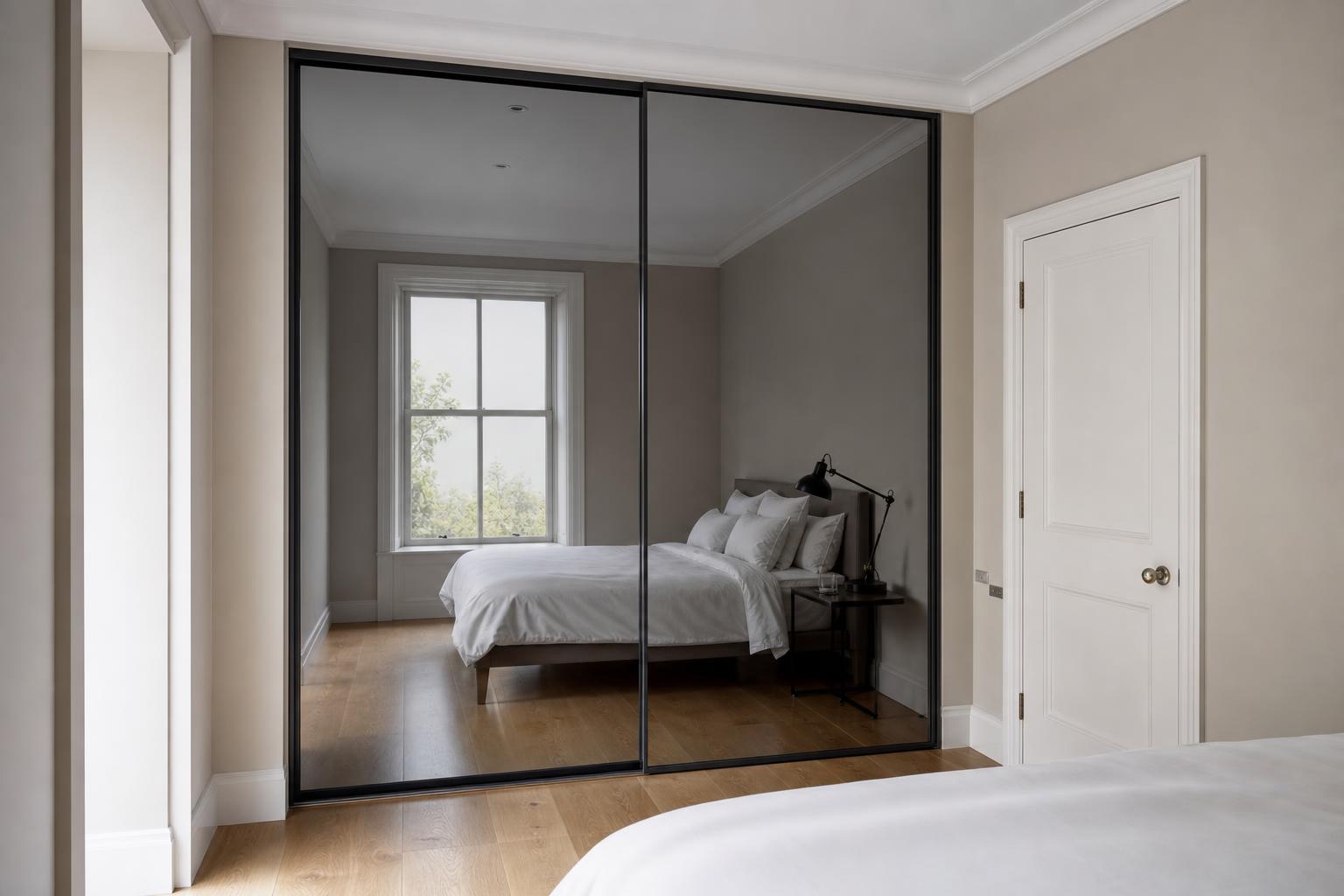
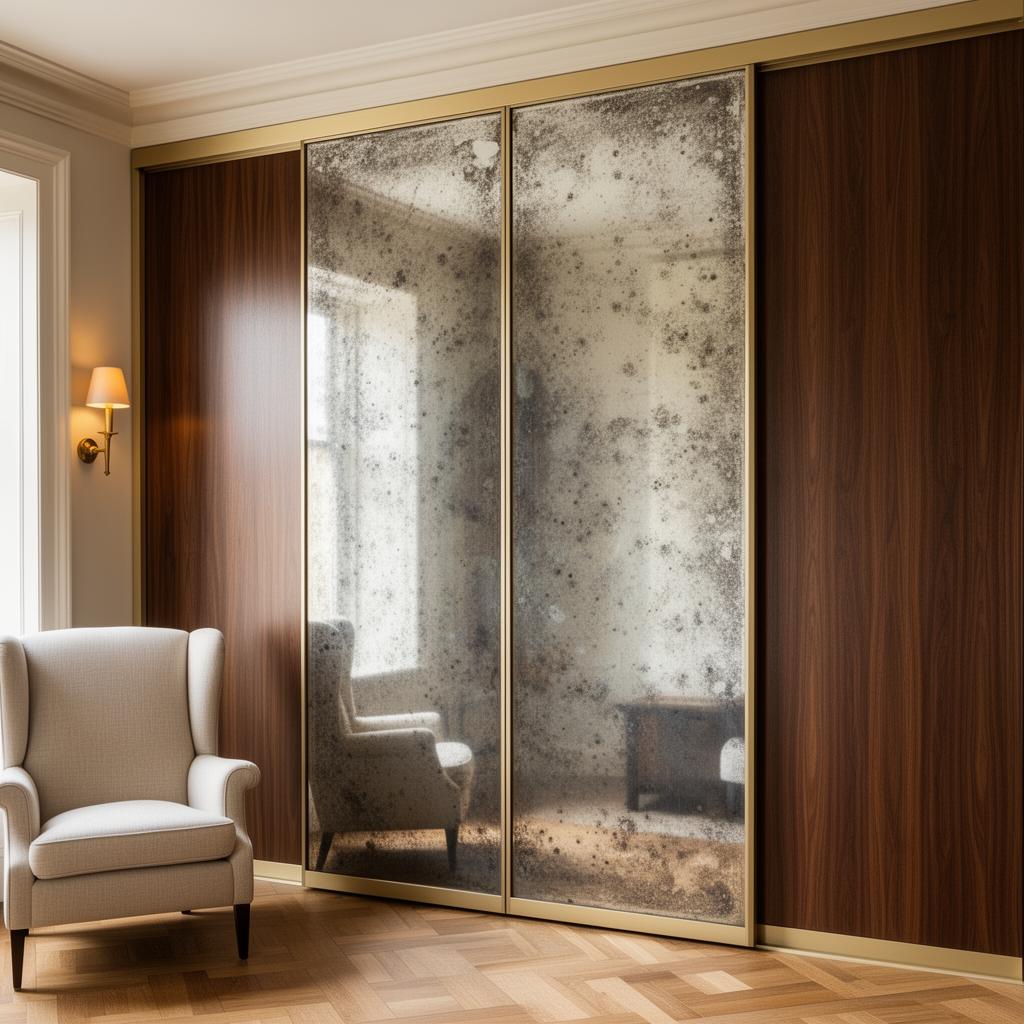
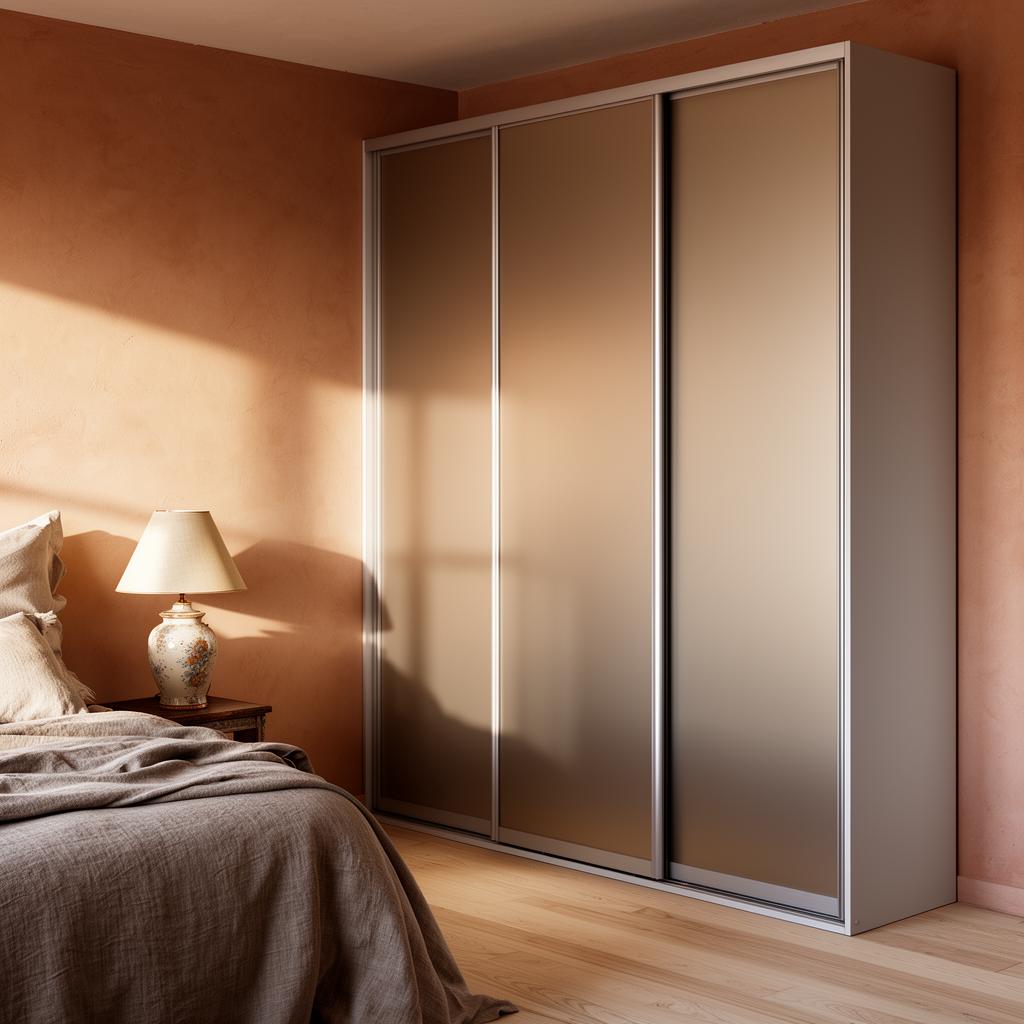
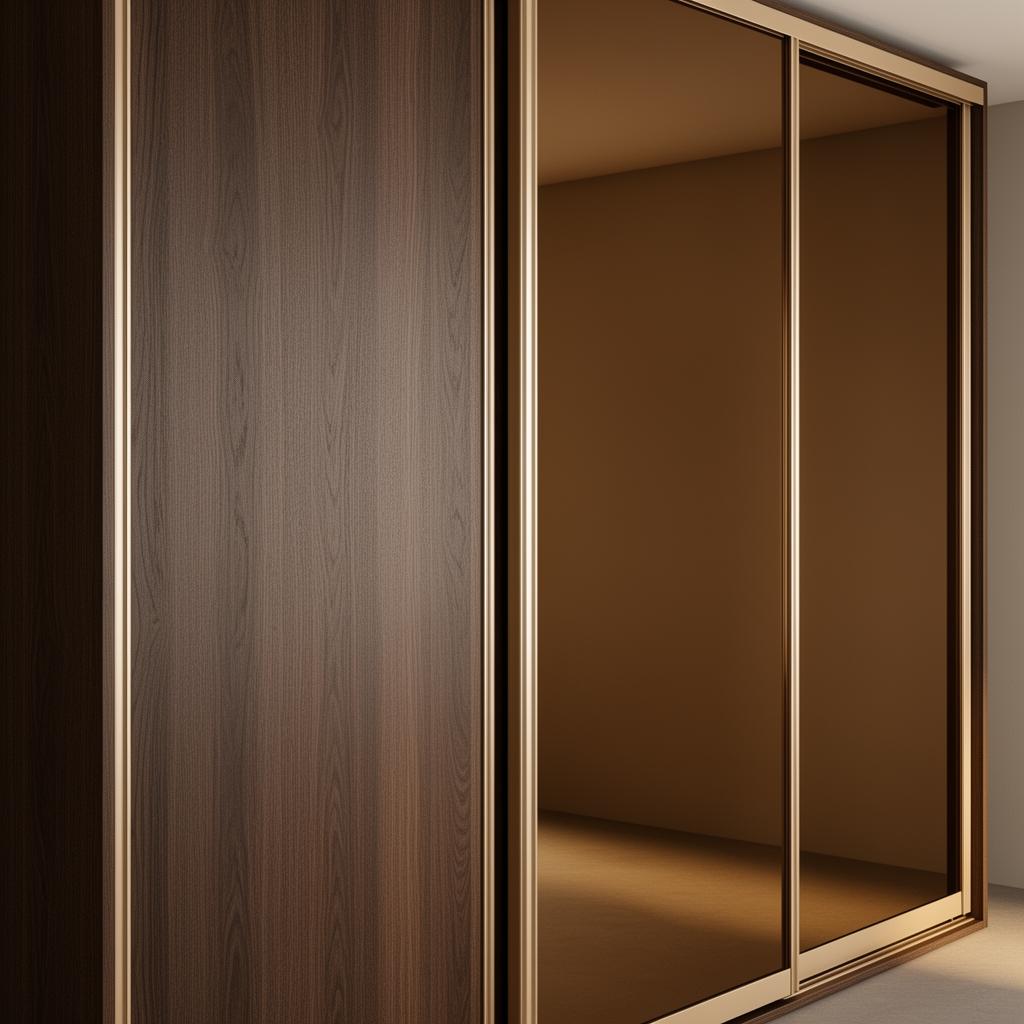
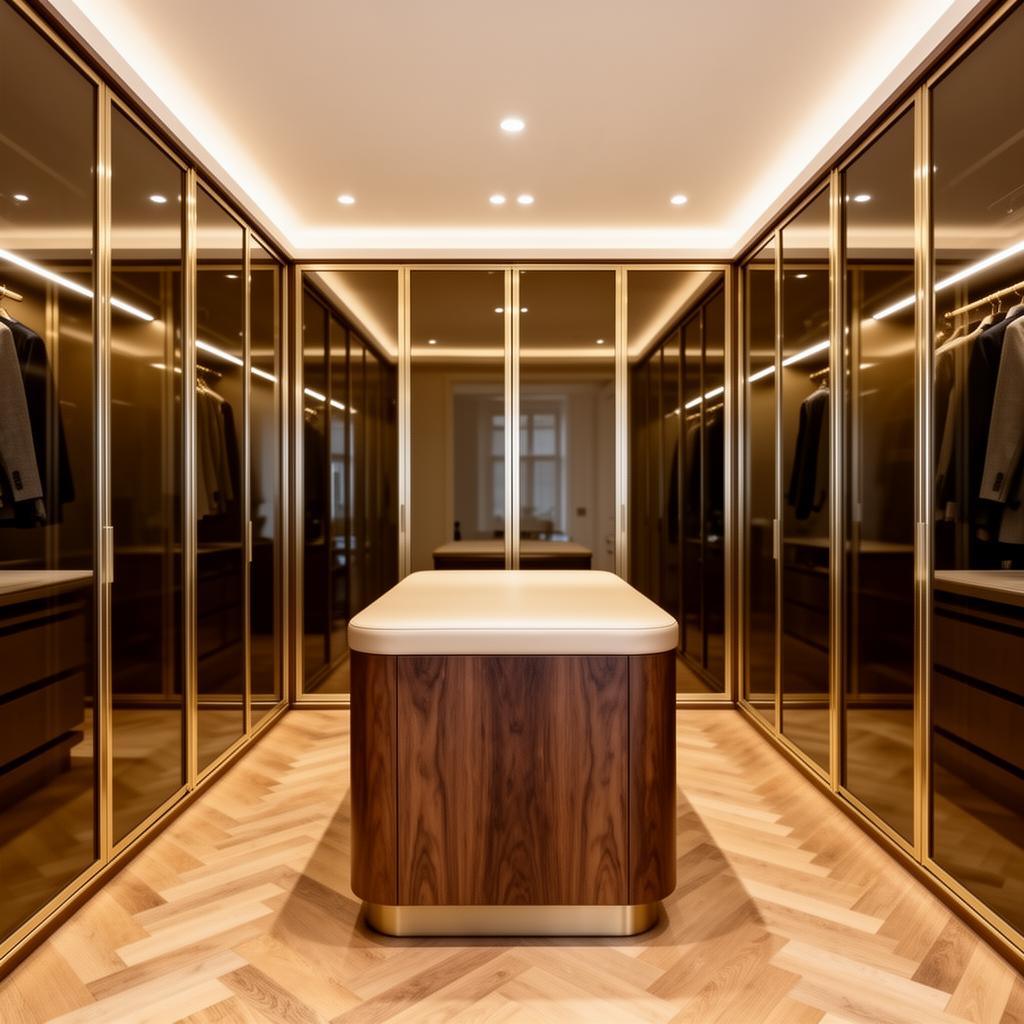
Mirror tone changes the whole feel of the room. Standard silver mirror gives the brightest, most accurate reflection and works hardest in compact bedrooms and rooms with limited daylight. Bronze mirror is warmer and reads as furniture, which suits primary bedrooms and dressing areas paired with walnut or smoked oak. Smoked grey mirror sits back into darker schemes and works particularly well behind black or bronze frames.
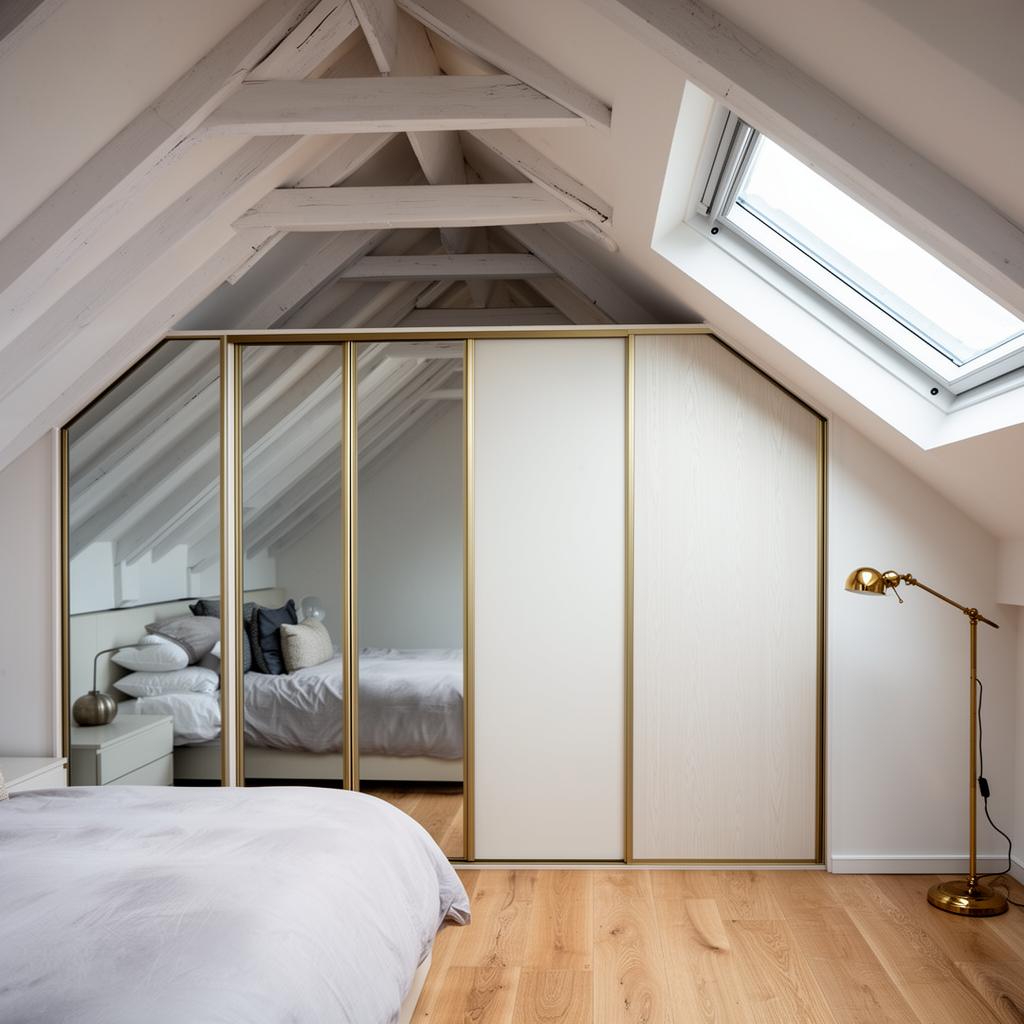
Frame colour is just as important as mirror tone. A slim silver profile disappears; a black architectural frame defines each door clearly; champagne or bronze frames warm the wall. The frame should be chosen against the floor tone, the wall colour and any visible metalwork in the room — handles, switch plates, light fittings — rather than picked from a sample card in isolation.
Door proportions matter more than people expect. Two doors give a balanced look in smaller bedrooms; three doors are usually right for medium and larger rooms; wider walls take four. Where mirror across every door would feel too bright, alternating mirror with wood-effect, painted or glass panels keeps the wall calm and lets you put reflection exactly where it is most useful — often in front of a central door so it functions as a dressing mirror.
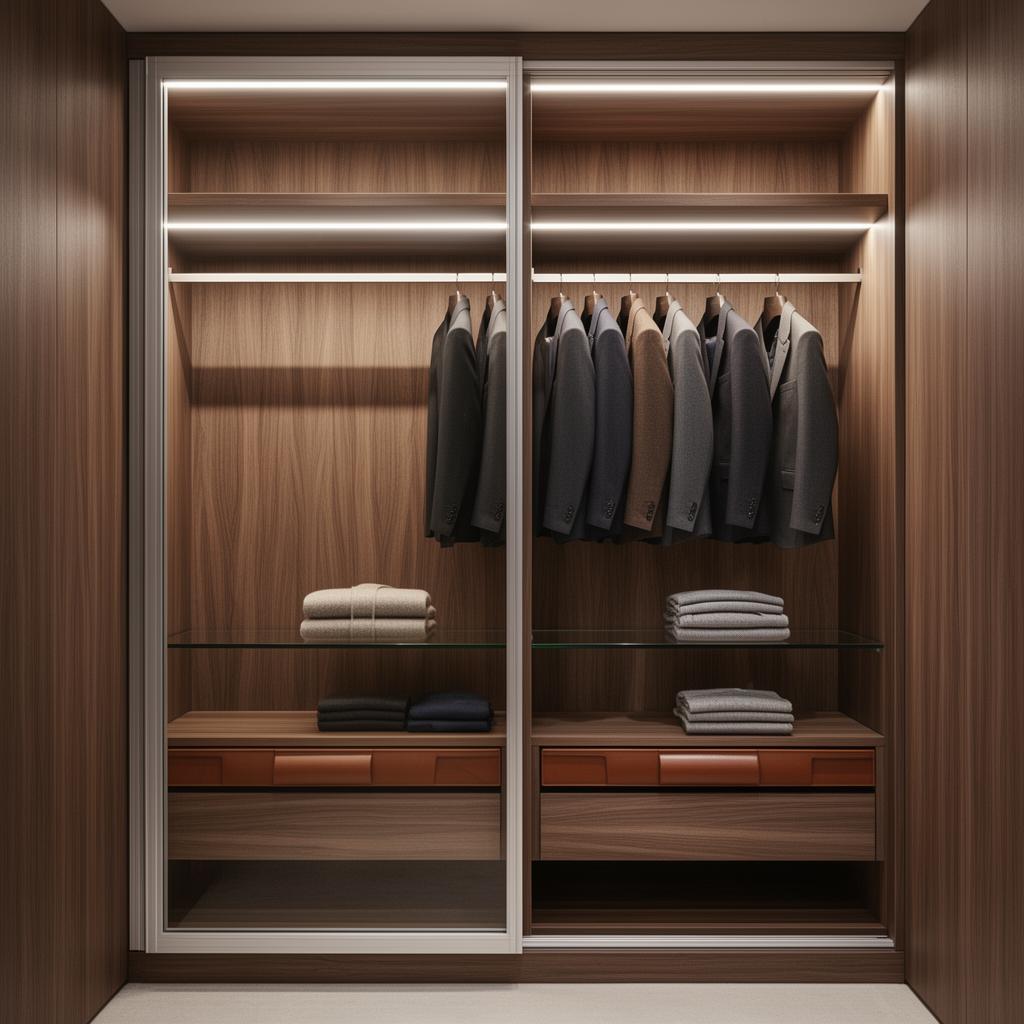
Inside the wardrobe, planning should always come before the doors are drawn. Long hanging, double hanging, folded shelves, internal drawers, shoe shelving, pull-out trouser rails, jewellery trays, laundry storage and integrated lighting are all specified around the way the room is actually used. A beautiful door on a badly-planned interior is a missed opportunity.
Lighting needs to be resolved early. Internal LED strips, shelf lighting and sensor lighting make the wardrobe genuinely useful at the start and end of the day. The wider bedroom lighting plan should also account for what the mirrored doors will reflect — a downlight placed directly opposite a mirror plane will glare, but a wall light or pendant offset to one side will lift the room.
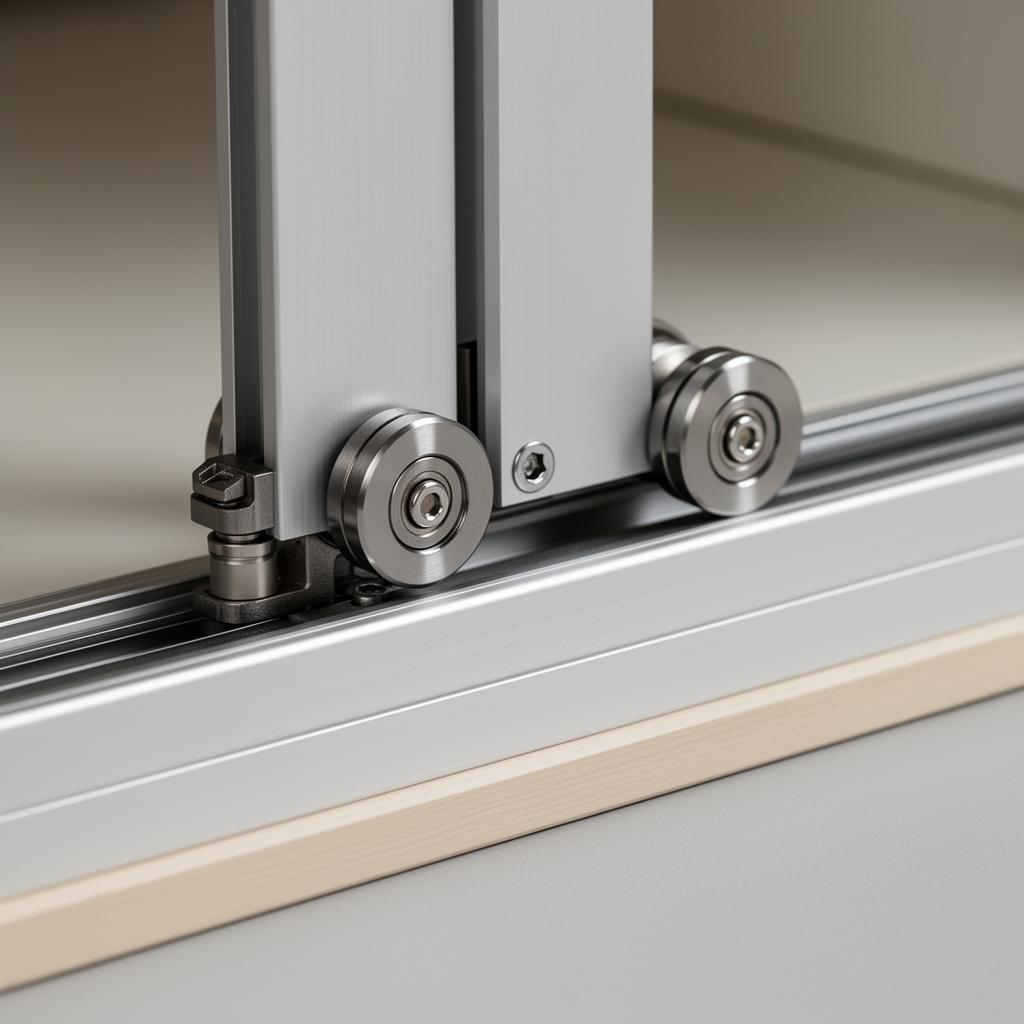
Accurate measurement is where most off-the-shelf mirrored wardrobes fall down. Standard module sizes rarely match a real room — floors slope, walls bow, ceilings settle, and the joins show. A made-to-measure approach surveys the opening properly, specifies the track for the door weight, and resolves the awkward details before anything is manufactured.
During a Bravo London design visit, a designer measures the room, talks through how it is used, walks you through mirror finishes, frame colours and panel options, and puts together a proposal that resolves the layout, the interior and the doors as one piece. Installation is carried out by our own team, and every fitted wardrobe is covered by a 10-year product and installation guarantee.